
Loop Dungeon Incremental Wave Upgrades: More Enemies, More Loot, More Risk
✓ Last verified 2026-10-20 · How we check facts
Quick answer
An Enemies per Wave +1 node lets you add enemies to every wave, raising the Gold and Magic Dust a loop produces while making encounters longer and harder. Presenters use it as a deliberate farming lever.
More enemies per fight sounds like a trap until you see the loot screen. The Loop Dungeon Incremental wave upgrade adds enemies to every wave, and presenters pick it deliberately to squeeze more Gold and Magic Dust out of each loop while accepting slower, harder encounters. Here is what Loop Dungeon Incremental wave tuning actually does, when the trade pays for itself, and how it reshapes the rest of your build.
What Loop Dungeon Incremental wave tuning changes
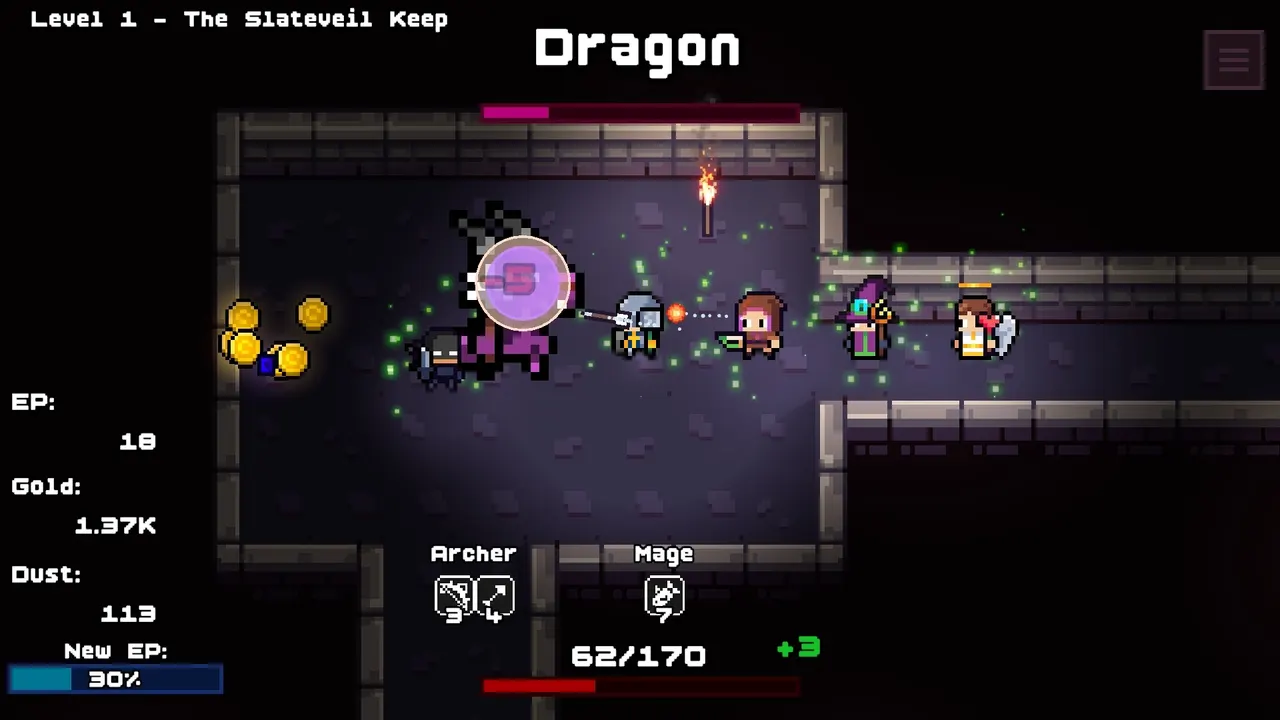
The node appears in the tree as an Enemies per Wave +1 choice, and its effect is exactly what the caption says: every wave spawns one more enemy. Because resources in this game come from kills and their drops, a denser wave is a richer wave. The catch rides along in the same sentence of every recording that shows the pick — more bodies on screen also means more damage headed at your party and more time spent per fight.
| Change | Upside | Cost |
|---|---|---|
| One extra enemy per wave | More kills and drops per loop | Encounters take longer |
| Denser fights | Better Gold and Dust income per minute of combat | More incoming damage at once |
| Longer loops | Fewer resets needed per target | Slower progress toward the next wall |
Why players add enemies on purpose
The recordings give a consistent rationale. Farming stretches exist to fill the wallet, and the wallet has two currencies that matter early: Gold for the tree's early purchases and Magic Dust for its own upgrade track. Adding a wave enemy raises the yield of both at once, which is why the pick shows up specifically during income phases rather than during boss pushes.
| Reason | What presenters do | Version label |
|---|---|---|
| More Gold per loop | Choose the extra-enemy node during farming phases | Demo and beta footage |
| More Magic Dust per loop | Pair the choice with Dust-side upgrades | Demo and beta footage |
| Better drop throughput | Buy Gold-drop improvements alongside | Demo and later footage |
That third row matters. Extra enemies only pay if the drops reach the party, so recorded farming builds stack the wave choice with drop-rate upgrades, and the Loop Dungeon Incremental drop rate page follows those paired nodes. The currencies themselves are covered on the Loop Dungeon Incremental gold and Magic Dust item pages.
The cost: longer, harder encounters
Every recording that takes the pick also names the price. Bigger waves stretch fight duration, and a stretched fight gives enemy damage more time to work. Presenters describe encounters that drag or tip over once the extra enemies arrive, especially before defensive lines catch up. The pattern that emerges across runs is sequencing: density choices belong to phases where the party already clears comfortably, and they get reined in when a boss wall approaches.
| Run phase | Wave choice in footage | Why it fits |
|---|---|---|
| Comfortable farming stretches | Extra enemies on | Income scales, danger stays manageable |
| Approaching a boss | Density eased off | Survival matters more than yield |
| After defensive upgrades | Density restored | The party can absorb the bigger waves again |
A boss-loop playthrough recorded around launch shows both sides of that rhythm in one session: fat farming waves punctuated by disciplined, defensive boss attempts.
How wave choices fit the rest of a build
Wave tuning is a multiplier on decisions you have already made. It rewards parties with spare damage and spare mitigation, and it punishes builds that were barely clearing. Three connections recur in the recordings:
| Build element | Interaction with waves | Related page |
|---|---|---|
| Movement speed | Denser loops mean more transit between packs | Movement speed guide |
| Boss defense | Harder waves raise the value of arriving healthy | Boss defense guide |
| Prestige timing | Richer loops can shorten time between resets | Prestige guide |
If your loops feel starved, waves are the loudest income lever in the tree; if your loops feel fragile, fix survivability first and return to density later. The Loop Dungeon Incremental combat hub maps every one of those levers in one place.
Frequently Asked Questions
Q: What does the Loop Dungeon Incremental wave upgrade do?
It adds one enemy to every wave, which raises the Gold and Magic Dust each loop produces while making fights longer and more dangerous. Presenters turn it on during farming phases and ease off before boss attempts.
Q: Is the extra enemy per wave always worth it?
Recorded runs say it depends on your build. Parties that clear comfortably profit immediately; parties that barely survive feed the extra enemies more than they profit from them. Sequence the pick after your damage and defense lines are stable.
Q: Does the Loop Dungeon Incremental wave choice affect boss fights?
The density choice applies to waves, and its side effects reach bosses indirectly: a richer farming phase funds the defense and healing you bring into the attempt, while overextended waves can leave you arriving hurt.
Q: What should I pair with the wave upgrade?
Drop-rate and Gold-drop upgrades appear alongside it most often in footage, since extra enemies only pay when the loot lands. Movement speed helps manage the extra transit time that denser loops create.
Continue exploring
Items →
Loop Dungeon Incremental Gold Guide: Farming Gold, Golden Hand, and Early Tree Spending
How Gold works in Loop Dungeon Incremental: wave income, chest pickups, click bonuses like Golden Hand, and the early skill-tree upgrades it buys.
Items →
Loop Dungeon Incremental Magic Dust Guide: Farming Dust, Dust Magnet, and Spending It
How Magic Dust works in Loop Dungeon Incremental: where drops come from, what Dust Magnet does in beta footage, and how players spend it.
Bosses →
Loop Dungeon Incremental Dragon Boss Guide: Preparation, Buffs, and Healing Before the First Wall
How players beat the Loop Dungeon Incremental dragon fight: health and defense upgrades, Priest healing, the Warrior buff, and timing from early runs.
Related Guides
Up next →
Loop Dungeon Incremental Attack Speed: Why Faster Heroes Clear More
Loop Dungeon Incremental attack speed nodes sit on separate Warrior and Archer branches. Why presenters buy them early and what pairs well.
Aura Guide
How the Loop Dungeon Incremental aura effect works: the Priest branch's Invincibility Aura, its demo and beta window, and how players use it on bosses.
Boss Defense
Loop Dungeon Incremental boss defense is bought before Dragon and other boss attempts. When to invest, what pairs with it, what captions never show.
Click Damage
Loop Dungeon Incremental click damage is a separate early track from Warrior attack. What clicks do, how targeting changes them, the Golden Hand angle.
More in Combat
- Loop Dungeon Incremental Attack Speed: Why Faster Heroes Clear More
- Loop Dungeon Incremental Aura Guide: Invincibility Aura, Defense Windows, and Boss Prep
- Loop Dungeon Incremental Boss Defense: Survive the Dragon and Beyond
- Loop Dungeon Incremental Click Damage: Manual Hits in an Auto Battler
- Loop Dungeon Incremental Combat Guide: Every Upgrade That Shapes a Run
- Loop Dungeon Incremental Cooldown Guide: Active Skill Timers, Reductions, and Boss Timing
- Loop Dungeon Incremental Critical Hit: What Launch Footage Confirms
- Loop Dungeon Incremental Drop Rate Guide: Gold, Magic Dust, and Farming Levers
- Loop Dungeon Incremental Movement Speed: Close the Gap Before It Ends Your Run
- Loop Dungeon Incremental Prestige Explained: Resets, Rewards and Timing